Understanding Spy Equipment Laws - Privacy & Legal Compliance
The rules about spy equipment and surveillance technology are complicated. They involve federal laws, state rules, and protections from the Constitution. These rules have changed a lot since modern surveillance tools were developed. In the U.S., the laws try to balance the need for security with people's right to privacy.
This creates a system that treats government surveillance differently from what private individuals can do. Key federal laws include the Wiretap Act of 1968, the Electronic Communications Privacy Act of 1986, and other national security laws.
These laws set out how surveillance equipment can be used legally and make it illegal to spy on communications without permission. It’s important for businesses, law enforcement, private investigators, and regular people to understand these laws. Breaking them can lead to criminal charges or being sued in court.
General Principles Of Spy Equipment Use
When setting up and using security cameras, it is important to balance the need for security with people's right to privacy. This balance is the foundation of most privacy laws related to surveillance. Security should not come at the cost of violating someone’s personal privacy. Below are some key principles to keep in mind:
1. Always use cameras for legitimate security purposes:Cameras should be used to improve the safety and security of your property. Using them purely for spying or malicious reasons is both illegal and unethical.
2. Make sure cameras do not invade areas where people expect privacy:Avoid placing cameras in sensitive areas like bedrooms, bathrooms, or changing rooms. These spaces are off-limits because people expect privacy there.
3. Be open about camera use by putting up clear signs:Signs that indicate surveillance can reassure people that they are being monitored for safety and not being intruded upon. In many places, this transparency is required by law.
4. Store footage securely and only for as long as needed:Footage should be kept in a way that prevents unauthorized access. Keeping recordings longer than necessary can increase the risk of privacy violations.
5. Allow individuals to request access to footage of themselves:Many privacy laws, such as the GDPR, give people the right to see data collected about them. Set up a system to handle these requests efficiently.
Following these principles not only ensures compliance with privacy laws but also helps build trust with those being monitored.
Federal Legal Framework
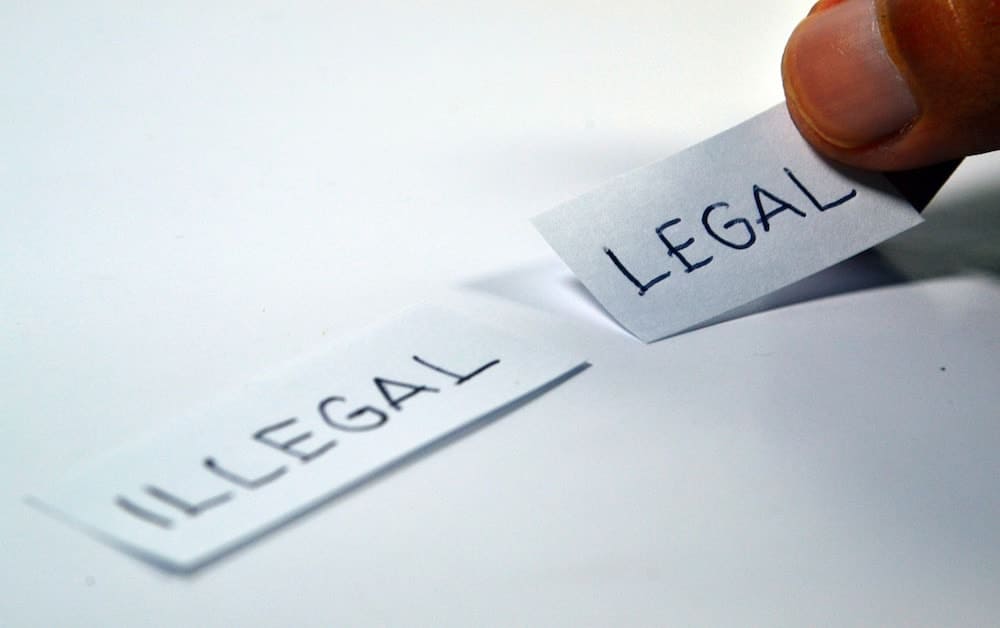
While specific laws vary by country and region, there are some common themes in security camera legislation. Understanding these legal nuances often requires professional guidanceto ensure compliance and avoid potential legal pitfalls. These can help navigate the complex rules around surveillance.
The Wiretap Act And Constitutional Foundations
The main law that governs spy equipment in the United States is Title III of the Omnibus Crime Control and Safe Streets Act of 1968. This law is commonly known as the Wiretap Act. It established a key principle: government officials must get permission from a judge before they can intercept wire, oral, or electronic communications.
The Wiretap Act makes it illegal for both government agencies and private individuals to intercept communications without consent. This law applies to many types of spy equipment that can capture audio, creating a detailed framework to regulate their use.
Under the Wiretap Act, any device that records audio, including cameras with audio recording features, may be covered by federal wiretap laws, even if it’s used in someone’s own home. This means that many common surveillance devices are regulated by federal law when they record conversations.
Electronic Communications Privacy Act And Digital Surveillance
The Electronic Communications Privacy Act (ECPA)of 1986 greatly expanded federal surveillance regulations to address new forms of communication in the digital age. This comprehensive law extended wiretap protections to cover emerging digital communications like online chat and stored voicemail.
It recognized that technological advancements required matching changes in the law. The ECPA has three main parts: the Wiretap Act (as amended), the Stored Communications Act, and the Pen Register Act. Each part deals with different aspects of electronic surveillance.
The Stored Communications Act, which is part of the ECPA, specifically addresses when stored wire and electronic communications held by third-party Internet service providers can be disclosed voluntarily or under compulsion. This section is particularly relevant to spy equipment that may access or store digital communications.
It sets strict limits on when service providers can share the contents of communications. Generally, the Act forbids electronic communication service providers from disclosing the content of communications. However, it does allow them to share non-content information, such as log data, under certain conditions.
National Security Surveillance Authorities
The USA PATRIOT Act of 2001significantly increased the federal government’s surveillance powers, especially in national security investigations. Passed in response to the September 11 attacks, this law expanded the government’s ability to collect email, phone, and internet activity while loosening restrictions on accessing financial and communications records.
These expanded surveillance powers have important implications for the regulation of spy equipment. They give law enforcement and intelligence agencies stronger abilities to monitor communications and access stored data. The surveillance provisions of the PATRIOT Act were primarily designed for counterterrorism, but they have broader applications that affect how spy equipment can be used in national security situations.
The Act gives authorities enhanced abilities to monitor internet communications, access stored electronic communications, and use various forms of surveillance technology without traditional warrant requirements in certain cases. This creates a dual regulatory environment where spy equipmentused for national security purposes may be subject to different legal standards than equipment used for regular law enforcement or private purposes.
European Union (GDPR)

In the EU, the General Data Protection Regulation (GDPR)governs the use of security cameras. Key points include:
- Cameras must have a lawful reason to operate: Surveillance must either be necessary for public interest, serve the legitimate interests of the operator, or be conducted with the explicit consent of those being recorded.
- People recorded on camera have rights to access their data: Anyone captured on footage can request to see their images and challenge any inaccuracies.
- Organizations must ensure proper handling and storage of data: This includes encryption, restricted access, and secure servers to prevent data breaches.
United States
In the U.S., laws vary by state, but certain general principles apply:
- There is no specific federal law governing security camera use: However, federal expectations of privacy still apply, and state laws fill in the gaps.
- One-party or all-party consent laws apply to audio recording: Most states require at least one person to consent to audio recording, while others require everyone involved to agree.
- State laws may have specific rules about hidden cameras and private spaces: Hidden cameras are heavily regulated because they can be misused. For example, California prohibits the use of hidden cameras in private spaces without consent.
Other Regions
Many countries have their own specific laws. For example:
- In Australia, the Privacy Act 1988 applies to organizations with an annual turnover over AUD 3 million, requiring them to follow strict privacy guidelines.
- In the UK, the Data Protection Act 2018 works alongside GDPR to govern CCTV use, ensuring organizations handle data responsibly in line with privacy laws.
Public Vs. Private Spaces
The legality of camera placement often depends on whether the area is considered public or private:
Public Spaces
It is generally legal to record in public areas like streets and parks. However, the recording should match the level of security needed. Excessive surveillance, like zooming in on specific individuals without cause, can be seen as intrusive.
Private Spaces
Cameras should not be placed in areas where people expect more privacy, such as bathrooms or bedrooms. Protecting these personal spaces is important to avoid privacy violations.
Understanding the difference between public and private spaces helps navigate the complexities of lawful surveillance.
Best Practices For Compliance
To ensure your security camera system follows privacy laws, it’s important to follow best practices:
1. Conduct a privacy impact assessment before installation. Evaluate how surveillance affects privacy and find ways to reduce unnecessary privacy intrusions.
2. Use clear signs to inform people about camera operation. This reassures the public and potential trespassers that the area is being monitored for safety.
3. Train operators on privacy obligations and proper use. Ensure staff handling surveillance footage understand privacy laws and ethical guidelines.
4. Regularly review camera positioning and coverage. This ensures cameras stay compliant with privacy standards and are only placed where necessary.
5. Implement secure storage and access controls for footage. Protect data with encryption and limit access to authorized personnel only.
6. Set up a process for handling data access requests. Having a defined procedure ensures compliance with laws like the GDPR, which requires individuals to be able to request access to their personal data.
Regular audits and updates can further improve compliance and operational efficiency.
Neighbor Disputes And Residential Use
A common issue is the use of security cameras in residential areas. Here are some guidelines:
- Avoid pointing cameras directly at neighbors’ properties. Position cameras to cover your property and shared spaces but avoid angles that invade your neighbor’s private areas.
- Use privacy masks to block out areas you shouldn’t record. Many modern surveillance systems have features that let you block certain areas from being recorded, ensuring your surveillance stays legally compliant.
- Communicate with neighbors about your security concerns and camera placement. Open conversations can prevent misunderstandings and disputes, fostering a cooperative approach to neighborhood security.
By following these guidelines, you can maintain good relationships with neighbors while keeping your property secure.
Workplace Surveillance Regulations
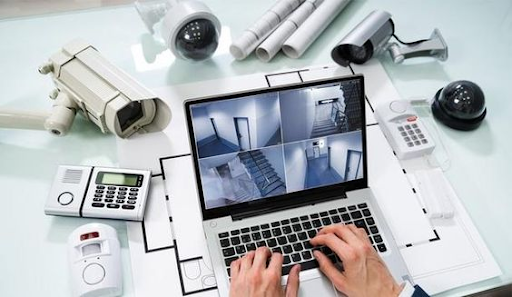
Workplace surveillance is a complicated area where employers' legitimate interests in security, productivity, and business management meet employees' fundamental rights to privacy. The rules about workplace surveillance vary a lot depending on the country, and sometimes even by state or region within a country. Employers must find a balance between their need to monitor and their employees' reasonable expectation of privacy. Below are key principles and common regulatory considerations:
1. Transparency And Notification
- Informing Employees : A key part of most regulations is that employers must tell employees when monitoring is happening. This is usually done through clear policies in employee handbooks, employment contracts, or signs posted in monitored areas (like for CCTV cameras).
- Purpose of Monitoring : Employers should clearly explain why they are doing the surveillance. For example, it could be for security, measuring productivity, ensuring quality control, or meeting legal obligations.
2. Legitimate Business Purpose And Proportionality
- Necessity : Surveillance should only be used if it is genuinely needed to achieve a legitimate business goal. Excessive or overly broad monitoring can be seen as an invasion of privacy.
- Proportionality : The level and type of surveillance should match the business need. For instance, continuous video monitoring of an entire office floor might make sense for security, but the same level of audio recording might not be appropriate.
3. Areas Of Reasonable Expectation Of Privacy
- Prohibited Areas : Employers are usually not allowed to monitor areas where employees have a high and reasonable expectation of privacy. These include restrooms, locker rooms, changing rooms, and sometimes break rooms or lounges.
- Personal Devices : Monitoring personal devices like phones or laptops that are not owned by the company is generally not allowed without clear, informed consent. Even then, legal issues may arise.
4. Types Of Surveillance And Specific Rules
- CCTV/Video Surveillance : Video monitoring is often allowed in public areas of the workplace for security or other approved purposes, as long as employees are notified. Adding audio recording to video is usually more restricted.
- Email and Internet Monitoring : Employers typically have the right to monitor emails and internet use on company-owned systems and devices. However, employees must be told that such monitoring may happen and that there is no expectation of privacy when using company resources.
- Phone Call Monitoring : The rules vary by location. Some places require at least one person on the call to agree to being recorded, while others require everyone on the call to consent.
- Keystroke Logging and Activity Monitoring : Software that tracks keyboard inputs, mouse movements, or active/idle time on company computers is usually allowed if employees are notified. It’s often used to measure productivity.
- GPS Tracking : Tracking company vehicles or devices used for work is generally allowed but requires notifying employees. Tracking personal vehicles or devices without consent is usually heavily restricted.
- Social Media Monitoring : The rules are still developing. In some places, employers cannot ask for access to employees' personal social media accounts. Monitoring publicly available social media posts is less restricted, but using this information to discriminate against or retaliate against protected activities (like union organizing) is illegal.
5. Data Protection And Retention
- Data Security : Any data collected through surveillance must be stored securely and protected from unauthorized access or disclosure.
- Data Minimization and Retention : Employers should only collect data that is necessary, relevant, and limited to what is needed for the stated purpose. Data should not be kept longer than necessary.
- Employee Access to Data : Depending on the jurisdiction, employees may have the right to see the data collected about them.
6. Consent Vs. Legitimate Interest
- In some places, getting explicit consent from employees is the main legal reason for monitoring. However, because of the power imbalance between employers and employees, whether consent is truly "freely given" can be questioned.
- Many legal systems also allow monitoring based on the employer's "legitimate interest," as long as this interest is balanced against the employee’s privacy rights and proportionality is maintained.
7. Union Activities And Protected Rights
Employers are generally not allowed to use surveillance to interfere with, restrict, or intimidate employees who are exercising their rights under labor laws. This includes organizing unions or participating in protected group activities.
Frequently Asked Question
Do Spy Cameras Need To Be Charged?
Yes, hidden cameras need a power source to work. Most hidden cameras are powered either by a USB charging cable or by disposable batteries.
Are You Allowed To Have Hidden Cameras?
In short, you are allowed to install as many hidden cameras in your home as you want, as long as they are only recording activities related to your personal, family, or household matters.
How Do You Know If Someone Is Secretly Spying On You?
A clear sign that you’re being spied on is when new items suddenly appear in your home or office without explanation. Be cautious of unfamiliar objects like wall clocks, phones, lamps, or even picture frames. If you notice anything unusual, ask where it came from.
What Equipment Do Spies Use?
To avoid being seen while conducting surveillance, spies often rely on advanced gadgets. For example, they might use binoculars to observe someone from a distance. Spies also use high-tech cameras hidden inside everyday objects such as pens, buttons, key fobs, ties, and more!
Conclusion
While security cameras are important for protecting property and improving safety, it is crucial to use them responsibly and in compliance with privacy laws. By following the principles and best practices outlined above, you can create a secure environment while respecting individual privacy rights.
Laws can differ significantly between jurisdictions, so it’s always a good idea to consult a legal professional familiar with local regulations before installing a spy equipment. For advanced solutions that prioritize privacy and compliance, consider exploring cloud-based security options and learn how patented technology can reduce false alerts to ensure efficient and privacy-focused security monitoring.