18 Spy Gadget Business Opportunities - Top Proven Ways To Profit Now
The global market for surveillance cameras is expected to hit €72.4 billion by 2030 and the wider security equipment sector keeps growing fast. With the right approach, small players can carve out a solid spot in the spy gadget business.
The business ideas listed below cover everything in the market. Some need very little money to start and can be up and running in just a few weeks. Others call for more technical skill but bring in much better profits.
1. Online Spy Gadget Store
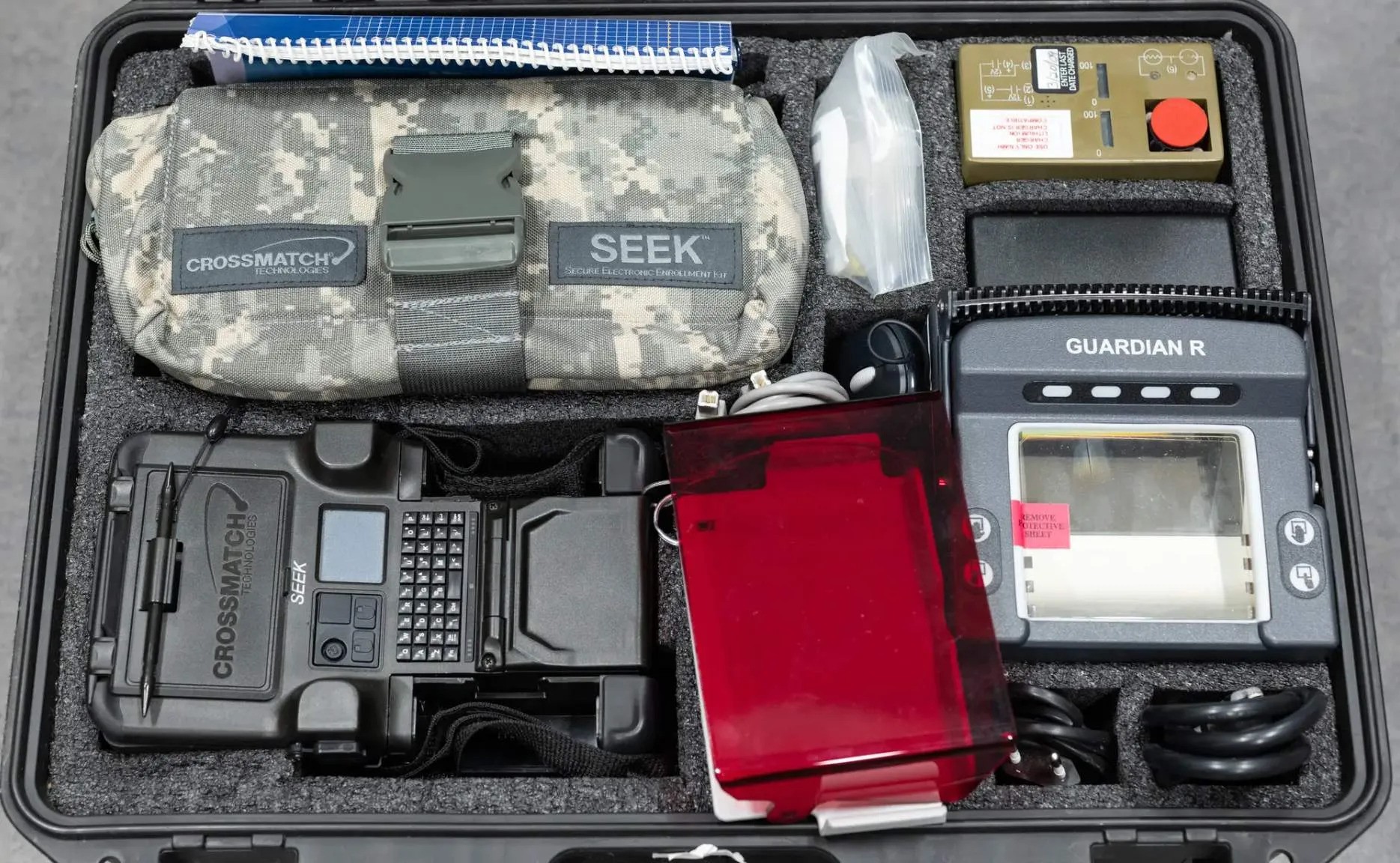
An online shop for spy gear saves you from paying high rent for a physical store and lets you reach customers all over the world. Profit margins depend on what you sell. Simple items like camera pens might give you 30–40% profit, while advanced anti-surveillance gear can bring in 60–80%.
On average, sellers in this space make about 37.5% gross profit. Shopify is easy to use and has plenty of apps for this kind of business. Woo Commerce gives you more control if you know your way around tech. Amazon has a huge audience, but their rules on spy gear are strict and heavy competition can eat into your profits.
2. Dropshipping Spy Gear
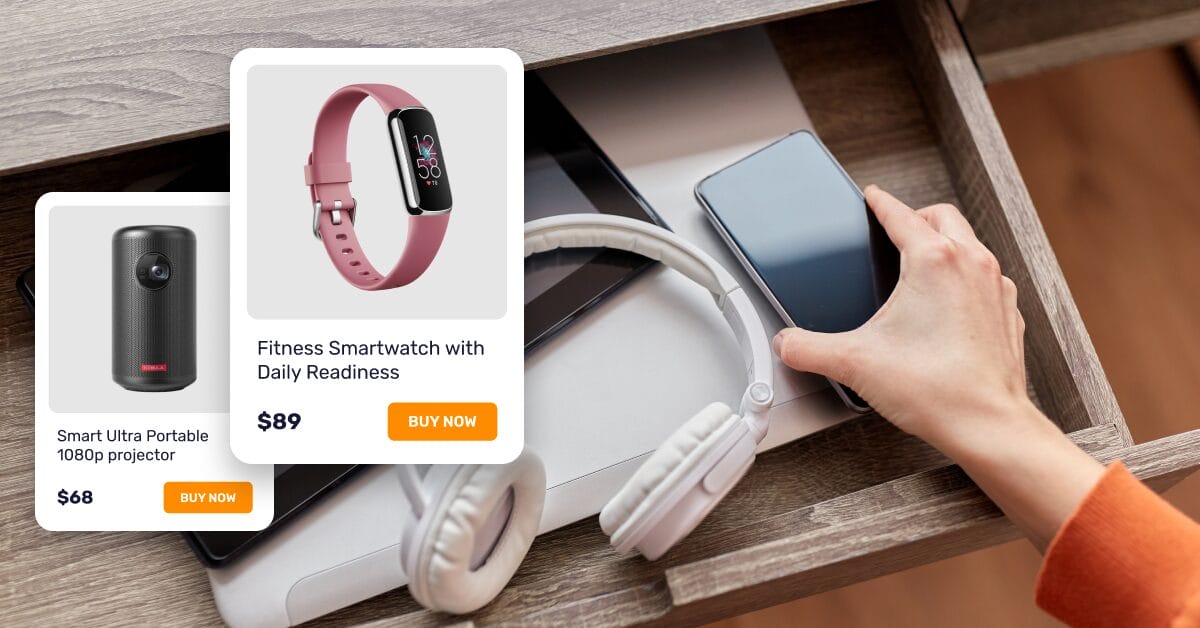
Dropshipping lets you sell spy gadgets without holding any inventory. Suppliers handle storage, packing and shipping while you handle marketing and sales. When someone buys from your site, you pass the order to the supplier, who ships it straight to the customer.
Services like Doba connect you with trusted suppliers offering everything from hidden cameras to GPS trackers. You keep the difference between what the customer pays and what you pay the supplier. Profits here are usually lower around 15–30% but you also save a lot on costs.
3. Wholesale Spy Gear Distribution
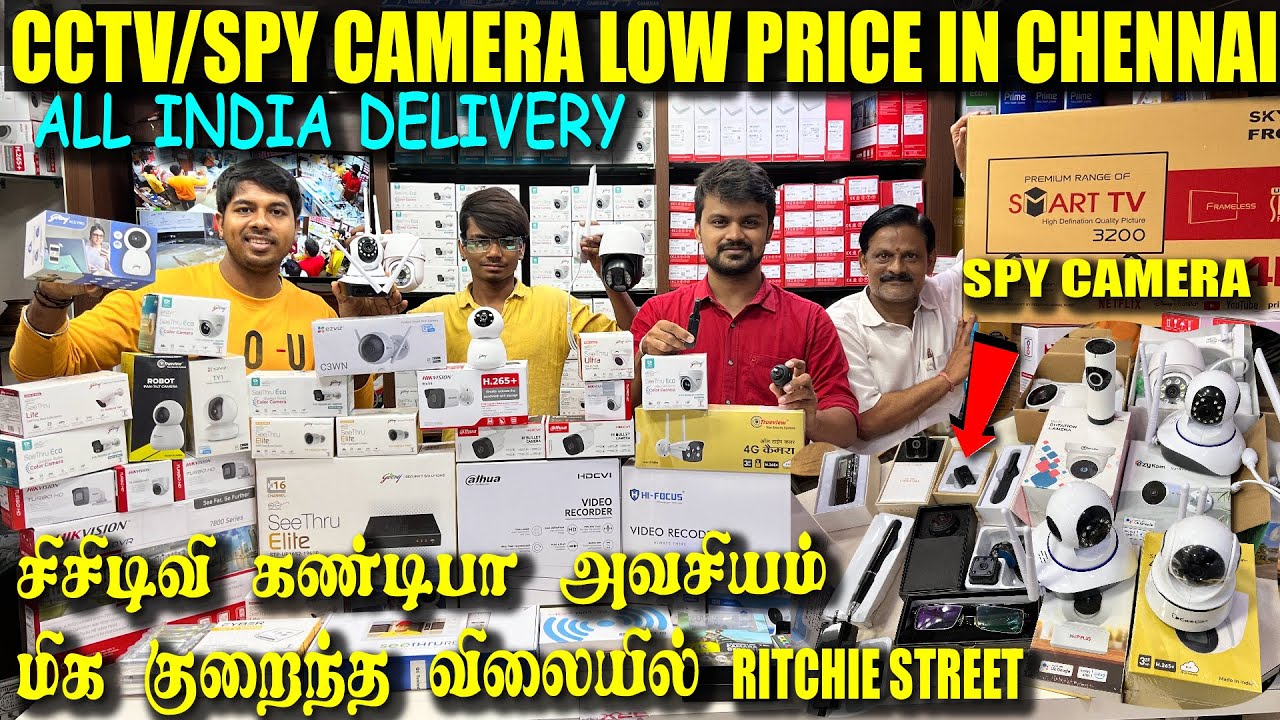
Selling spy gear in bulk to other businesses can bring steady income through strong relationships. You buy large quantities directly from manufacturers at low prices and resell to shops, security firms, private investigators or electronics stores looking to add surveillance products.
This model needs some startup money to buy inventory, but once you’re set up, repeat orders create reliable income. Most wholesalers see gross profits between 20% and 35%. The real benefit is ongoing business. Once a security company or investigator trusts you, they’ll keep coming back every month or quarter instead of you having to find new buyers all the time.
4. Installation And Consulting Services
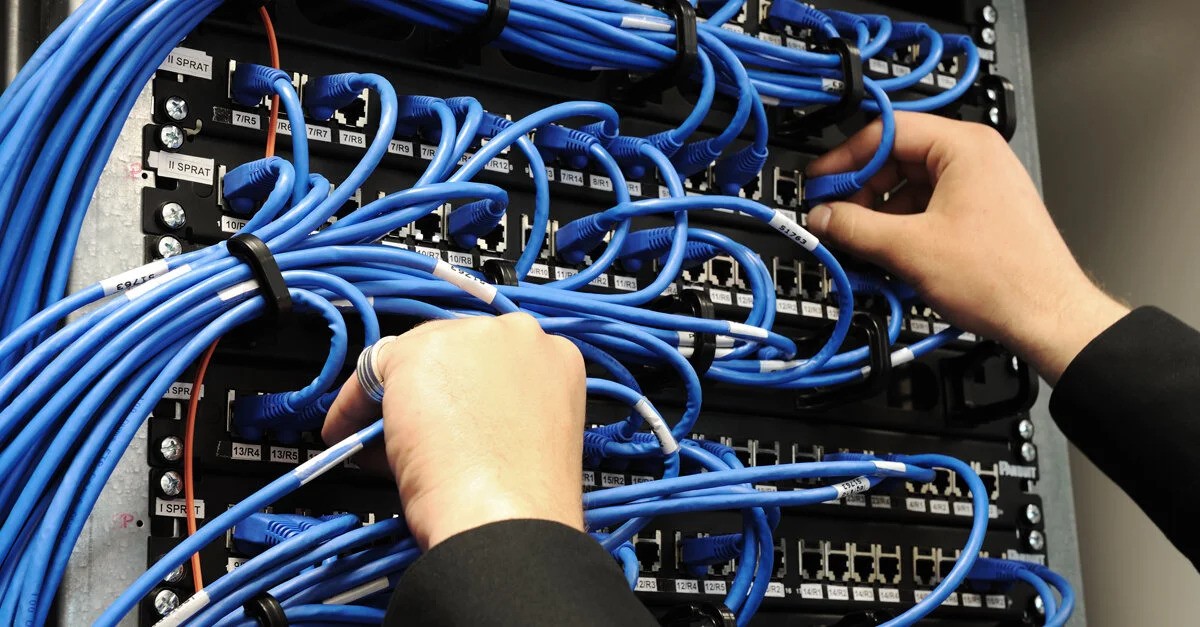
Offering installation turns a simple product sale into a higher-value service. You can install hidden cameras in homes or offices, set up GPS trackers, place audio recorders, or help clients detect and block spying devices. Each job comes with a service fee on top of the equipment cost.
People are willing to pay well for this typically $200 to $800 per job because they want it done right and don’t have the time or know-how. Instead of just selling a $300 camera, offer a full package for $1,200 that includes the device, setup, training, and support.
Sometimes, just giving advice is enough. Many clients will pay $150 to $300 for a consultation that recommends the right gear and shows them where to put it, even if they handle the installation themselves.
5. Private Investigation Equipment Supplier

Private investigators are serious buyers who rely on dependable gear for their work. They regularly need things like hidden cameras, long-range microphones, GPS trackers, night vision tools and devices that detect surveillance.
To build strong business ties with PI firms, get involved where they gather go to their industry events, join their professional groups and place ads in the magazines they read. They need professional-grade tools that hold up under pressure, so stick with suppliers who make gear built for real investigative work.
6. Nanny Cam And Home Security Specialist

Parents pay to keep an eye on nannies or caregivers, your focus is on hidden cameras designed for homes, especially for watching over children, elderly relatives or general security. These customers want gear that’s easy to use, works without fail and stays out of sight.
They’d rather spend $400 on a camera that blends in, records clear video and connects smoothly to their phone. Instead of just selling one camera, offer complete setups multiple units for different rooms, setup help and installation. You can also check out this practical overview from Consumer Reports on nanny cams and home surveillance.
7. Counter-Surveillance And Bug Detection Services

You help people find and remove spying tools. More executives, lawyers and privacy-conscious clients are worried about being watched or recorded without their knowledge. You use special tools to scan homes, offices, cars and meeting rooms for hidden cameras, listening devices, GPS trackers and other spy gear.
After each sweep, you give a detailed report of what you found or confirm the space is clean. This is a service-based business, not just product sales. Jobs typically cost between $500 and $2,500, depending on the size and complexity of the space.
8. GPS Tracking Service For Fleet Management

Small businesses with vehicles like delivery drivers, contractors or service crews need to track their fleets but often lack the tech skills to set it up themselves. You install GPS trackers in their vehicles and charge a monthly fee for access to a tracking platform, reports and support.
The trackers themselves cost $50 to $150 each, but you charge $200 to $400 for installation and setup. That upfront fee usually covers your hardware costs, so the monthly payments are mostly profit after basic platform fees.
9. Surveillance Camera Installation Business
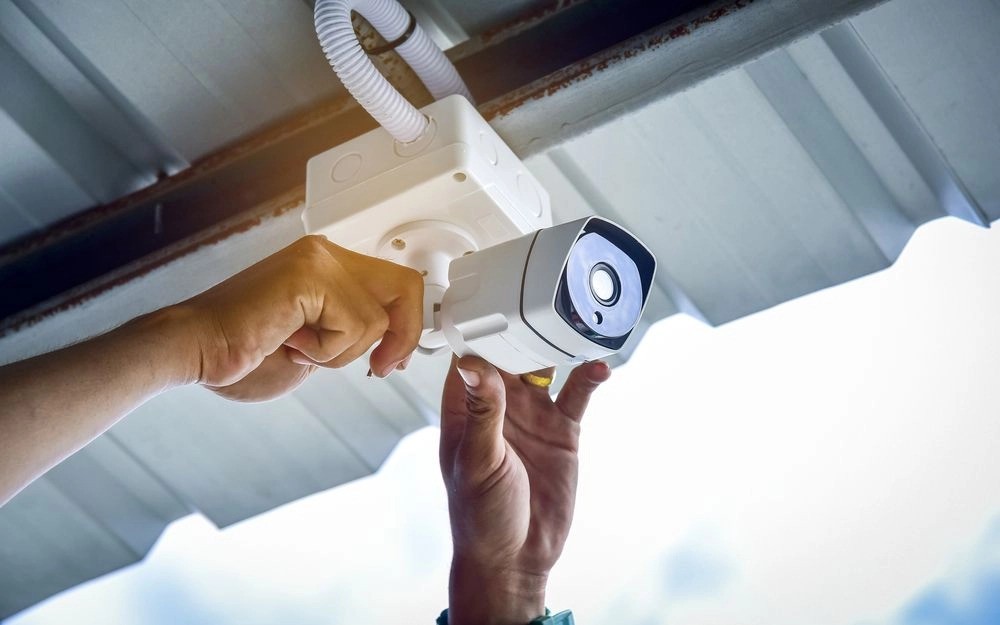
Installing security cameras mixes selling gear with hands-on setup work for homes and small businesses. More people are buying affordable camera systems, but many don’t know how to install them correctly, connect them to their Wi-Fi, or get the best performance.
Most home jobs involve setting up four to eight cameras, a recording unit, getting the mobile app running and showing the customer how to use everything. Prices usually fall between $1,500 and $5,000, depending on the system and property size. After covering equipment and labor, you can keep 30% to 50% of each job as profit.
10. Spy Gadget Affiliate Marketing Website
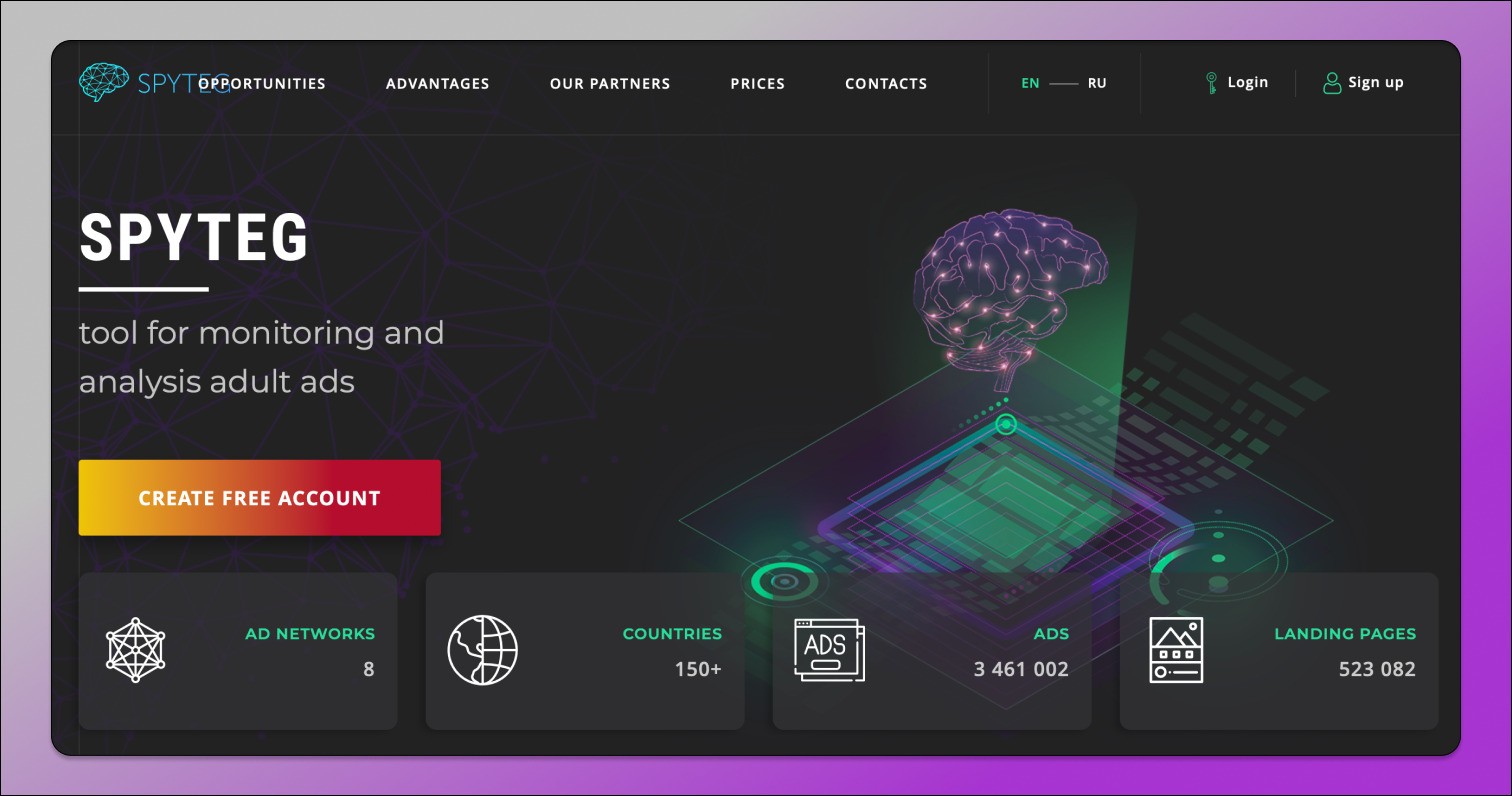
Running an affiliate site for spy gadgets means you earn money without handling products, shipping or customer service. You just help people find the right gear and get paid when they buy through your links.
Build a helpful website that explains how different gadgets work, compares models and suggests the best options for specific needs. As part of your content strategy, include guides on understanding spy equipment lawsso your visitors know what’s legal to buy and use, which builds trust and positions your site as a responsible authority in the niche.
11. Smartphone Spy Software Reseller

Selling phone monitoring software sold as parental control or employee tracking tools brings in regular subscription income with very little overhead. You offer licenses for apps like mSpy or FlexiSPY that let users see texts, calls, location and app activity on another phone. At the same time, you can expand your offer by including anti-spying software for smartphonesthat helps users detect and remove unwanted tracking apps, appealing to the growing market for digital privacy.
12. Custom Spy Gadget Manufacturing

You design and produce hidden cameras, special GPS trackers or unique audio recorders for clients with very specific needs. Your customers are professionals, private investigators, security firms or government groups who will pay more for gear that does exactly what they need.
The first task is making a working prototype. Test it thoroughly, fix what doesn’t work, and refine it based on early feedback before going into full production. Set minimum orders like 50 to 100 units or a $5,000 total to focus on serious buyers, not hobbyists looking for a single item.
13. Spy Gadget Subscription Box Service
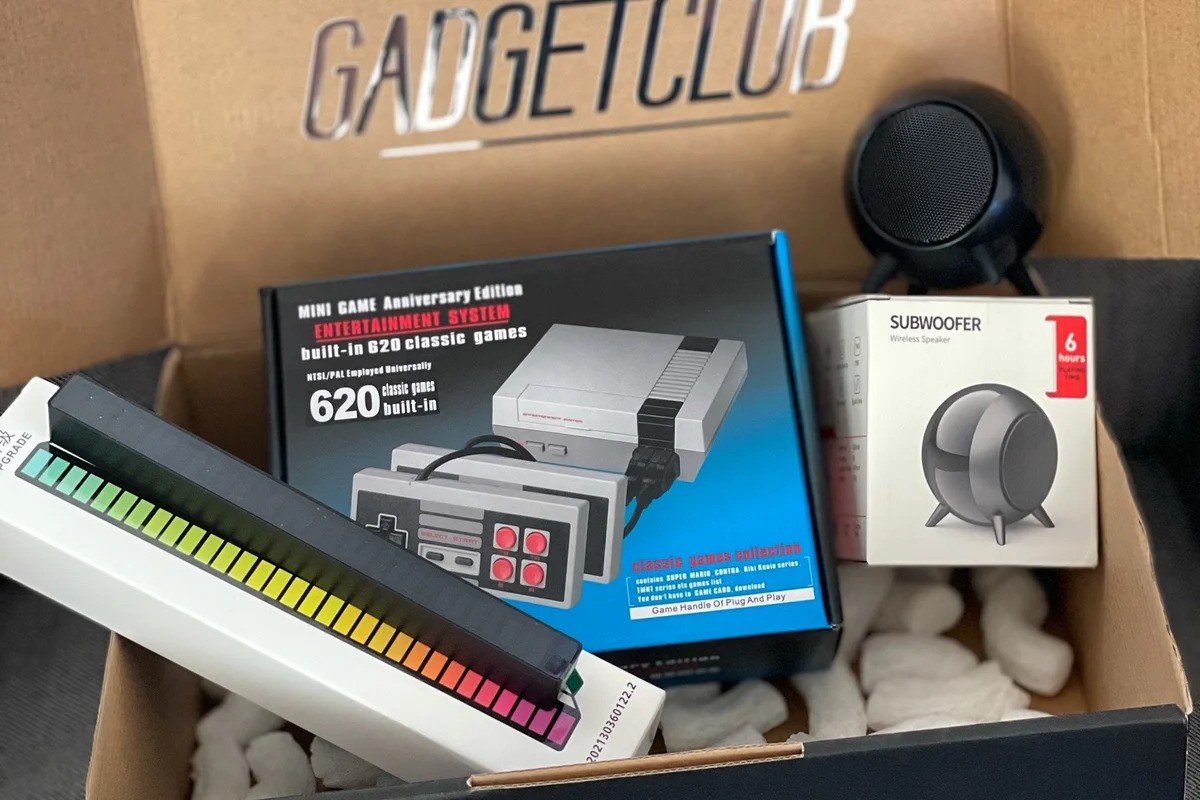
People love spy gear and a monthly subscription box delivers that excitement straight to their door. Each month, customers pay between $29 and $79 for a box filled with real spy tools like hidden cameras, voice recorders, anti-spy devices or personal safety gear, plus simple guides on how to use them legally and effectively. A customer who sticks around for a year at $49 a month brings in $588, far more than a one-time $150 sale.
To keep profits healthy, your cost for the items inside should stay under 40% of what the customer pays. That leaves room for shipping, packaging, and platform fees. Profit comes from keeping people subscribed month after month, and mastering effective business managementis key to balancing costs, retention and customer satisfaction.
14. Spy Gadget Education And Training

Share your knowledge through online courses, memberships or consulting. Teach private investigators how to use surveillance gear, show security teams how to spot hidden devices or help regular people set up home monitoring systems.
Once you create a course about 30 to 60 hours of work, you can sell it again and again without extra effort. Priced between $197 and $497, even a few sales add up fast. A membership site adds recurring income. Charge $29 to $99 a month for fresh training videos, gear reviews, community discussions, and expert tips.
15. Spy Gear Rental Service

Some people just need spy gadgets for a short time. Offer rentals for things like GPS trackers, hidden cameras, voice recorders or bug detectors. Your customers might be individuals checking on a partner, lawyers gathering case evidence, store owners watching for theft or people trying gear before buying.
Charge 15% to 30% of the item’s value per week. A $500 GPS tracker could rent for $75 to $150 weekly. Since you can rent the same device many times, your return adds up fast, a $200 tracker rented 20 times at $100 each earns $2,000. Use clear agreements that state the customer is responsible if they misuse the equipment.
16. Vehicle Surveillance Specialist

Focus on car-related spy tech, GPS trackers, dash cams, interior cameras and audio recorders. This serves parents watching teen drivers, fleet managers tracking vehicles, spouses with concerns, or small business owners protecting company cars.
Installation jobs pay well, $200 to $400 for GPS setups and $150 to $500 for dash cams, depending on features. Add monthly monitoring fees of $20 to $40 per vehicle for real-time tracking and alerts. A single test install on a company car can turn into a full fleet contract.
17. Import And Private Label Spy Gear

Cut out the middleman by importing gear straight from factories and selling it under your own brand. Work with manufacturers often in China to produce items to your specs, then put your name on them. This builds your brand and customer loyalty.
You’ll need to order in bulk usually 500 to 1,000 units per product but the payoff is big. An item that costs $8 from a U.S. distributor might cost just $3 made directly, letting you keep much higher margins.
18. Full-Service Security Provider

Become a one-stop shop for complete security combining cameras, alarms, door access systems, cybersecurity checks and expert advice. Work with clients who need serious protection, law offices, clinics, financial firms or wealthy individuals.
Projects grow in size and value. Instead of a $2,000 camera job, you might deliver a $15,000 to $50,000 package that covers everything from physical locks to digital monitoring. Add monthly managed services for ongoing income system checks, software updates and security reviews for a set fee.
The Spy Gadget Market Today
The market for spy gear has changed a lot in the last ten years, opening doors for smart business owners. More people now know about surveillance tools, thanks to news stories about privacy and the wide availability of low-cost devices.
Online stores have made it easier than ever to get into this business. You can start selling spy gear online with very little money and reach customers around the world without needing a physical shop.
Because the market is so spread out, there’s room for small players. Instead of trying to beat big retailers like Amazon, many sellers succeed by focusing on one specific type of product and becoming known as the go-to expert in that area.
Legal Rules You Must Know
What’s legal to sell depends on where you are. Some places ban certain items like phone jammers, hidden cameras or audio recorders. Always check local, state and federal laws before offering any product. If someone misuses a device, you need proof you told them about the rules.
Federal law and many states say you can’t record a conversation unless at least one person involved agrees. In some states, everyone in the conversation must give permission. Video recording is usually less restricted, but not everywhere. If you import spy gear, you may need approval from the FCC or other regulators.
Startup Costs And Earnings
If you go the affiliate or dropshipping route, you’ll need about $500 to $2,000 to cover a basic website, early marketing and business paperwork. This lets you test the market without risking much money.
Buying inventory upfront costs more, roughly $5,000 to $25,000. That covers your first batch of products around 50 to 100 different items, a website, and ads. Service-based businesses, like installing cameras or giving advice, need $3,000 to $10,000 for tools, a work vehicle, insurance, and marketing.
Dropshipping gives you 15% to 30% after costs. Traditional retail brings 30% to 45%. Specialized services or custom gear can hit 50% to 80%, but they take more skill and upfront investment. Mixing products and services often gives the best balance of growth and profit.
Business Marketing Strategies
Search engine optimizationbrings steady traffic. Focus on specific phrases people actually search for, like “hidden camera for watching a babysitter,” instead of broad terms like “spy cameras.” Write helpful, detailed content that answers real questions.
Share useful guides about how these devices work, what’s legal and how to choose the right one. This builds trust with people who are still researching, long before they’re ready to buy. Videos work especially well. Show your products in action, explain how to set them up or compare different models.
FAQs About Spy Gadget Business Opportunities
How Much Money Can You Make Selling Spy Gadgets?
If you use dropshipping or affiliate marketing and do your marketing well, you might bring in $2,000 to $5,000 a month. Overall, profit margins in this field range from 30% to 80%, so there’s real potential if you attract and keep customers.
Is Selling Spy Equipment Legal?
In most places it’s legal to sell surveillance gear. but there are important limits. Devices like hidden cameras, GPS trackers and voice recorders are okay to sell as long as they’re promoted for legal uses, such as home safety or tracking your own car.
What Are The Startup Costs For A Spy Gadget Business?
You can begin with as little as $500 if you go the affiliate or dropshipping route. That covers a simple website, basic legal setup, and some early ads. If you want to keep your own inventory, expect to spend $10,000 to $25,000 on stock, a website, and marketing.
Where Can I Source Spy Gadgets Wholesale?
You can buy from well-known U.S. suppliers like KJB Security Products, SpyTec and Brickhouse Security. Many sellers also use Alibaba to connect with manufacturers in China.
What Spy Gadgets Are Illegal To Sell?
In the U.S., you cannot legally sell cell phone jammers or GPS jammers. they interfere with government-regulated signals and are banned by the FCC. Devices built specifically for illegal wiretapping may also break federal law. Some radio scanners and signal devices have usage restrictions too.
How Do I Market Spy Gadgets Legally And Ethically?
Focus your marketing on honest, legal uses, protecting your home, keeping an eye on young kids, preventing theft at work, tracking your own vehicle or checking on elderly relatives.
Final Thoughts
To start a spy gadget business, pick a business style that fits your budget, skills and how much risk you’re comfortable with. Options like affiliate marketing or dropshipping let you get started without spending a lot up front. They’re great for testing what works before you invest heavily.
Once you see real demand, you can move into holding your own inventory or offering services that bring in better profits. Staying on the right side of the law and marketing honestly are what keep a business alive long term. Learn the surveillance laws where you operate, make sure your customers understand what’s legal.