Surveillance Laws For Private Property - What Property Owners Must Know In 2025
Understanding Private Property Surveillance Laws
Property owners today face a complex legal landscape when installing surveillance systems. Most US states have laws expressly prohibiting the secret installation of spy cameras or eavesdropping devices on private premises, with surveillance that invades reasonable expectations of privacy without consent typically being illegal.
Understanding these laws isn't just about avoiding legal trouble; it's about protecting your investment while respecting others' privacy rights. The legal framework governing private property surveillance operates on multiple levels, creating a web of federal and state regulations that property owners must navigate carefully.
Unlike public surveillance, private property monitoring involves additional considerations around consent, notification, and the reasonable expectation of privacy standard that courts use to determine legal violations.
Key Takeaways
- Privacy is Contextual: Surveillance is strictly prohibited in areas with a "reasonable expectation of privacy" (e.g., bathrooms, bedrooms).
- Audio is Stricter than Video: Audio recording almost always requires consent and is far more regulated than video.
- Aim Inward: Cameras must be aimed to capture only your property and minimize overflow onto neighboring yards or public streets.
- Data Protection Matters: Laws like GDPR and emerging US state data privacy acts affect how you store and manage surveillance footage.
- Compliance is Proactive: Consulting legal counsel and maintaining clear policies are the best defenses against civil and criminal liability.
The Foundational Legal Framework For Private Property Surveillance
Understanding the law starts with core principles that govern where and how monitoring is allowed. These principles differentiate your private rights from the public's right to privacy.
Constitutional Privacy Rights And Expectations
The bedrock of surveillance law is the reasonable expectation of privacy. Courts generally protect individuals against unauthorized monitoring in spaces that are inherently private, such as bathrooms, changing rooms, bedrooms, and private offices. Even on private property, if a camera is positioned to capture an area where a person reasonably expects to be unobserved, it can constitute an illegal invasion of privacy. Your right to record ends where another individual's protected privacy begins.
Federal Vs. State Surveillance Regulations
Surveillance law is a complex patchwork. The U.S. lacks a single, universal federal surveillance law for private citizens, leaving much of the regulation to the states. However, federal laws like the Wiretap Act are crucial, as they heavily restrict the recording of oral and electronic communications (audio). State statutes, however, often layer stricter requirements, particularly regarding consent for audio recording and specific placement restrictions.
Data Protection Laws And CCTV Systems
The evolution of data privacy is having a profound impact on all CCTV users. Regulations like the General Data Protection Regulation (GDPR)in Europe and growing equivalents across the U.S. (like the California Consumer Privacy Act - CCPA) regulate how surveillance data, which includes identifiable video footage, is collected, stored, and shared.
Homeowners and businesses must treat surveillance footage as personal data. This means establishing a lawful basis for processing the data, conducting Privacy Impact Assessments (PIAs) for high-risk systems, and adhering to strict guidelines on storage and retention. For instance, storing footage indefinitely may violate the principle of data minimization.
Where And How To Install Surveillance Cameras Legally
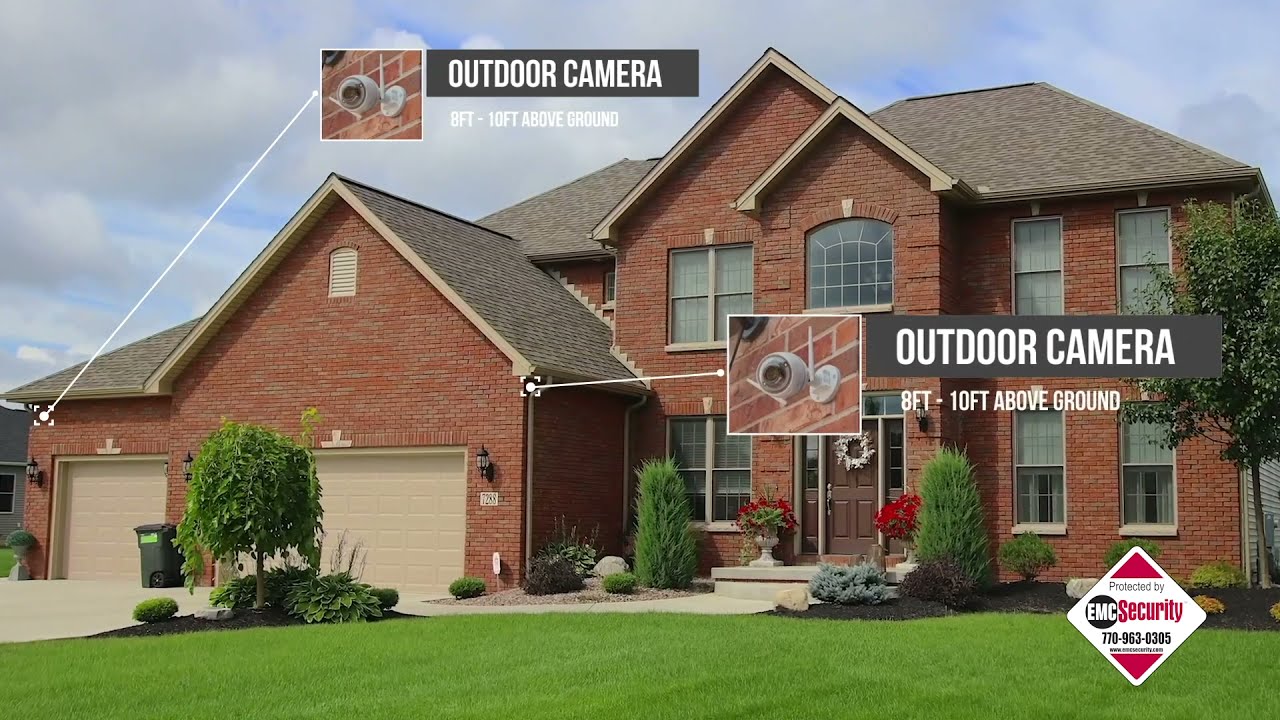
Best Locations for Security Cameras
The physical placement of your camera is the single most important factor in legal compliance. A camera pointed in the wrong direction can instantly turn a security measure into a legal liability.
On-Property Camera Placement Rules
Cameras should generally be oriented to exclusively monitor property under the owner's control: driveways, entrances, packages, and perimeter fences. When positioning, use the "zone of control" principle:
- Acceptable: Front doors, gates, yards, garages.
- Avoidable: Public sidewalks, neighbors' windows, shared property boundaries.
Areas With Restricted Camera Access
Surveillance is strictly prohibited in any location where an individual has a reasonable expectation of privacy, regardless of whether it's on your property. This includes:
- Bathrooms and restrooms.
- Bedrooms and private changing areas.
- Locker rooms.
- Inside tenant-occupied rental units.
Boundary And Neighbor Considerations
The majority of civil lawsuits stem from disputes over neighboring properties. It is crucial to aim cameras inward and use hoods or digital masking features to prevent capturing a neighbor's yard, patio, or windows. Repeatedly filming private neighboring spaces can trigger costly lawsuits alleging harassment, stalking, or invasion of privacy, even if the footage is never publicly shared.
Laws By Property Type
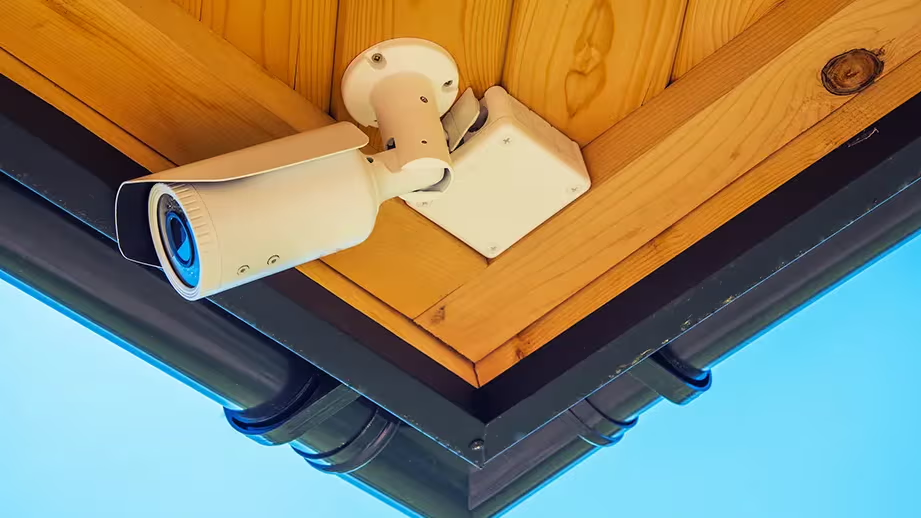
The legal requirements for surveillance systems vary significantly based on the type of property you own and operate. Understanding these distinctions helps ensure compliance with the specific regulations that apply to your property's intended use and occupancy patterns.
Residential Rental Properties
Landlords cannot use surveillance cameras to monitor tenants, their lifestyle, or their guests; pointing surveillance cameras at private spaces is considered tenant harassment. Landlords cannot place cameras, microphones, or any recording devices inside personal living spaces, and unauthorized searches are also not allowed as part of tenant privacy rights.
Rental property surveillance laws focus heavily on protecting tenant privacy rights while allowing property owners to secure common areas and building exteriors. Some jurisdictions require property owners to install cameras in parking lots, sidewalks, and trash enclosures with specific retention requirements of at least 30 days, extending to 180 days if law enforcement or tenants request footage.
Common area surveillance in rental properties typically includes lobbies, hallways, laundry facilities, and outdoor spaces where tenants don't have a reasonable expectation of privacy. Pointing cameras in hallways at tenant front doors to monitor who is coming or going may violate tenant harassment laws.
Notification requirements for rental properties often exceed those for single-family homes. Many states require written notice to tenants before installing new surveillance systems, and lease agreements should clearly specify surveillance policies. Tenants are permitted to install cameras throughout their homes, but tenant cameras cannot peek into another person's home.
The legal relationship between landlords and tenants creates additional compliance obligations, including data retention policies, access procedures for surveillance footage, and restrictions on sharing recorded information with third parties without tenant consent or legal requirements.
Commercial And Workplace Properties
Employee monitoring is legal in the United States, with federal and state laws governing the extent to which employers can monitor their workforce, requiring navigation of complex laws and regulations to ensure compliance while respecting employee privacy rights.
As long as the company has a legitimate need to film, the areas under surveillance are public, and employees know about the filming, these practices are likely to be upheld by a court. However, employers are prohibited from using workplace monitoring to interfere, restrain, or intimidate employees who are exercising their rights protected by the law.
At a federal level in the U.S., no explicit laws prohibit employers from monitoring workers with video surveillance, with determining what level of monitoring versus privacy is acceptable generally left to the states. The Electronic Communications Privacy Act (ECPA)and the Stored Communications Act set the baseline for monitoring employee communications, allowing employers to oversee employee activities for legitimate business purposes.
State-specific workplace surveillance requirements vary considerably. California prohibits video recording in private places and requires employers to notify employees of surveillance in workplaces, while employers in Texas are required to inform employees of when and how they're being monitored, with most employers choosing to place conspicuous signs in areas where monitoring equipment is in use.
Maine's new law bans secret monitoring unless employees are warned first and forbids bosses from forcing employees to install GPS or data-collection apps on their personal phones, while also mostly banning cameras or audio devices in an employee's private home, vehicle, or property.
Break rooms, restrooms, changing areas, and other spaces where employees have reasonable privacy expectations remain off-limits for surveillance regardless of notification. Videotaping employees engaging in protected activity or setting up surveillance in break areas may violate the law.
Vacation Rentals And Short-Term Properties
Vacation rental surveillance laws have evolved rapidly due to privacy concerns and platform policy changes. In a significant update announced in March 2024, Airbnb has revised its surveillance device policy, now strictly prohibiting the use of indoor cameras and recording devices across all listings, to enhance guest privacy and trust within its community.
Airbnb doesn't allow for hidden cameras or any other types of concealed recording devices, but does allow hosts to install security cameras in or around the property as long as they're not in private areas like bedrooms or bathrooms, and as long as they are properly disclosed. Vrbo has even stricter rules with no cameras or other surveillance devices anywhere inside a property.
The Airbnb camera policy balances keeping properties safe and secure with guest privacy, allowing security measures such as noise monitoring devices and exterior video surveillance cameras, but such devices must be clearly disclosed in the listing description.
Legal compliance for vacation rentals extends beyond platform policies to state and local privacy laws. Spanish law protects guests under data protection and criminal codes, with secretly recording people in private spaces being illegal, and according to Spain's Data Protection Agency, installing surveillance devices inside a short-term rental is not allowed without explicit, informed consent.
The legality of hidden cameras in short-term rentals varies by state and country, with most places making recording someone without their consent illegal, though loopholes exist where some regions allow video recording without audio, while others require clear consent for any type of surveillance.
Guest consent requirements for vacation rentals often exceed those for traditional hotels due to the private residential nature of the accommodation. Property owners must provide clear disclosure in listing descriptions, obtain explicit consent where required by law, and ensure surveillance systems don't capture private guest activities.
Multi-Family Housing Complexes
Multi-family housing complexes face unique surveillance law challenges due to the combination of rental property regulations and common area security needs. These properties must balance legitimate security interests with multiple tenants' privacy rights while complying with both landlord-tenant laws and general surveillance regulations.
Common area surveillance in multi-family complexes typically includes building entrances, parking areas, mailbox locations, and recreational facilities. However, surveillance placement must avoid capturing private activities in individual units or areas where tenants have reasonable privacy expectations.
Building management companies operating multi-family properties often face additional compliance requirements, including professional liability considerations, insurance policy compliance, and potential municipal licensing requirements for surveillance systems.
The intersection of fair housing laws and surveillance practices creates additional legal considerations for multi-family properties, requiring careful attention to ensure surveillance policies don't discriminate against protected classes or create disparate impacts on certain tenant populations.
Related: Understanding Spy Equipment Laws
Legal Consequences And Risk Mitigation
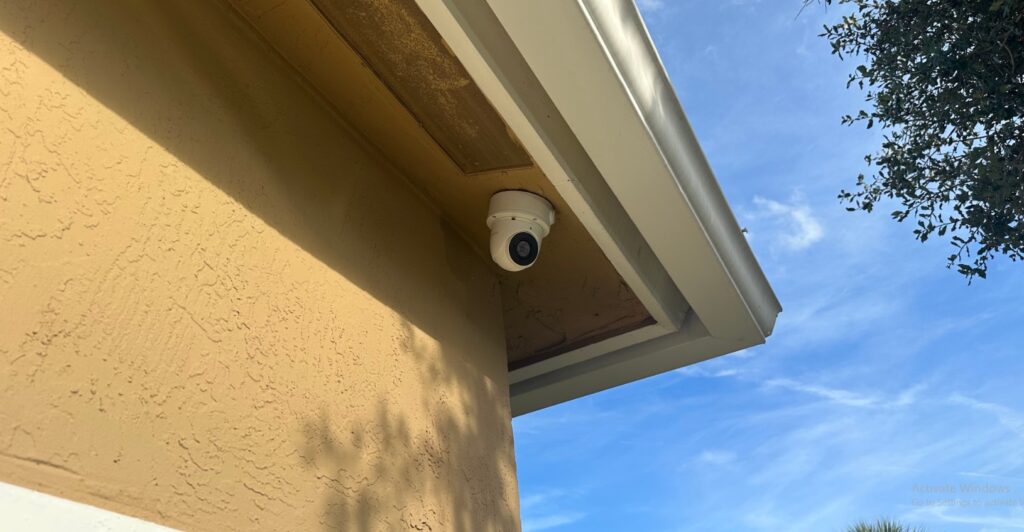
Non-compliance with surveillance law carries serious, multi-tiered penalties, including civil and criminal liability.
Privacy Violation Penalties
Depending on the jurisdiction and the severity of the violation (especially involving non-consensual audio recording), penalties can include:
- Substantial fines, often reaching thousands of dollars per violation.
- Potential jail time for egregious violations, such as illegal wiretapping or stalking.
Civil Lawsuits And Damages
The most common consequence is a civil lawsuit. Neighbors or tenants can sue for various claims, including:
- Invasion of Privacy (intrusion upon seclusion).
- Intentional Infliction of Emotional Distress (IIED).
- Harassment or stalking.
The financial fallout from these lawsuits, covering legal fees, settlements, and damage awards, can be devastating. While the public often focuses on highly visible financial data like the net worth of celebrities, property owners must prioritize guarding their own finances and reputation against the significant legal risks posed by non-compliant surveillance.
Criminal Charges And Fines
Illegal surveillance can violate state statutes concerning wiretapping, eavesdropping, or stalking. These violations can lead to criminal prosecution and a permanent criminal record, far exceeding a simple fine.
State-by-State Surveillance Variations
California
California leads the nation in strict surveillance regulations, requiring extensive notification and consent procedures. The landscape for workplace surveillance has evolved significantly, with employers required to provide employees access to their surveillance footage upon request. California also maintains some of the highest penalties for violations, reflecting the state's strong emphasis on privacy protection.
Florida
Florida operates under comprehensive consent laws that create particular challenges for audio surveillance. Florida criminalizes hidden camera use in areas where individuals expect privacy, with violations potentially resulting in felony charges. The state's tourism industry has influenced many of these regulations to protect visitor privacy rights.
Texas
Texas takes a more permissive approach to property owner surveillance rights while maintaining basic privacy protections. The state allows broader surveillance on private property but requires notification in many commercial contexts. Texas law also includes specific provisions for surveillance in multi-family housing and commercial properties.
New York
New York maintains complex surveillance regulations that vary between New York City and the rest of the state. The city has additional requirements for commercial surveillance systems, including registration and notification procedures that don't apply in other parts of the state.
Illinois
Illinois has developed detailed surveillance laws influenced by the state's strong all-party consent requirements for audio recordings. The state also maintains specific regulations for surveillance in rental properties and workplaces that exceed federal requirements.
Washington State
Washington State has implemented comprehensive surveillance regulations that address emerging technologies like facial recognition and AI-powered analysis systems. These forward-looking regulations attempt to address privacy concerns that traditional surveillance laws didn't anticipate.
Other states continue to develop their surveillance regulations, often modeling their approaches on the more comprehensive systems developed in California, Florida, and other leading states. This ongoing evolution means property owners must stay informed about changing legal requirements in their jurisdictions.
Best Practices For Legal Compliance
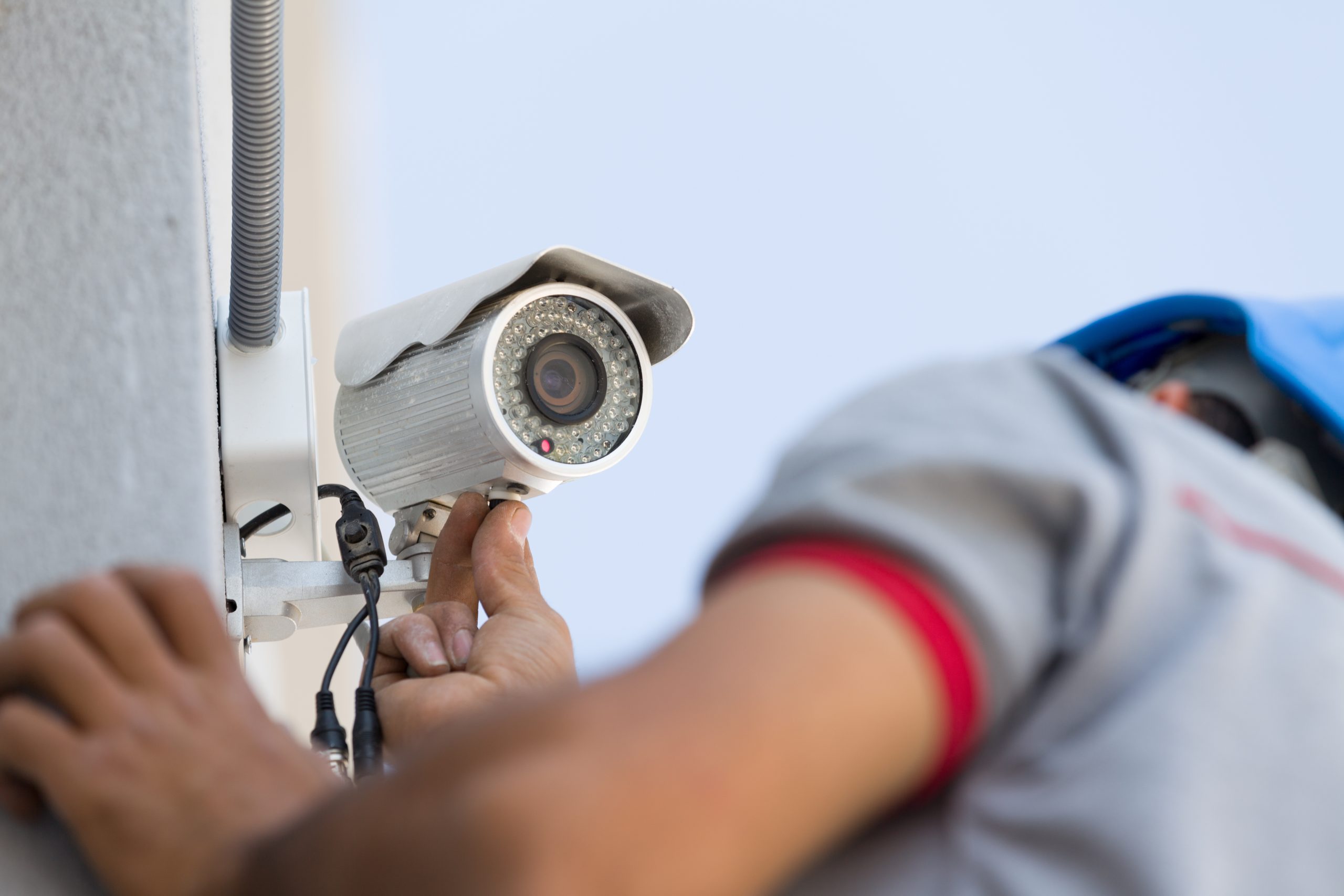
Developing a comprehensive surveillance policy before installing any equipment helps ensure legal compliance and provides documentation of your good faith efforts to follow applicable laws. This policy should address notification procedures, consent requirements, data retention, and access controls for surveillance footage.
Professional consultation with attorneys familiar with surveillance law in your jurisdiction provides valuable protection against inadvertent violations. Many property owners discover compliance issues during these consultations that they wouldn't have identified independently, potentially saving significant legal costs and penalties.
Regular compliance audits help identify potential issues before they result in legal violations. These audits should examine camera placement, notification signage, consent documentation, and data handling procedures to ensure continued compliance as laws and circumstances change.
Documentation procedures become crucial for demonstrating compliance if your surveillance practices are ever challenged. Maintain records of notification procedures, consent obtained, policy updates, and any consultation with legal professionals to establish your good-faith compliance efforts.
Training for anyone who operates or maintains surveillance systems helps prevent inadvertent violations. This training should cover legal requirements, proper procedures for handling surveillance footage, and protocols for addressing potential privacy concerns from tenants, employees, or visitors.
Technology updates and system modifications require legal review to ensure continued compliance. New cameras, software updates, or changes to monitored areas can trigger additional legal requirements that weren't necessary when the original system was installed.
Regular legal updates help property owners stay informed about changing surveillance laws and emerging legal issues. Subscribing to legal publications, attending industry seminars, or maintaining relationships with knowledgeable attorneys helps ensure your surveillance practices remain compliant as laws evolve.
See Also: Best Spy Cameras 2024
Frequently Asked Questions
Can I Record Audio On My Surveillance System On Private Property?
Audio recording requirements are much stricter than video surveillance laws. Many states require all-party consent for audio recordings, with unauthorized audio recording potentially constituting a third-degree felony in some jurisdictions. Check your state's consent laws before enabling audio recording features on surveillance systems.
Do I Need To Post Signs If I Have Security Cameras On My Property?
Sign requirements vary by state and property type. While not always legally required for basic property monitoring, posted signs provide important legal protection by establishing notice and implied consent. Signs become particularly important in commercial properties and areas accessible to the public or tenants.
Can I Use Surveillance Footage In Court Or For Insurance Claims?
Legally obtained surveillance footage is generally admissible in court and accepted by insurance companies. However, footage obtained through illegal surveillance may be excluded from legal proceedings and could expose you to additional liability. Ensure your surveillance practices comply with all applicable laws before relying on footage for legal purposes.
What Happens If My Security Camera Accidentally Records My Neighbor's Property?
Surveillance that violates the expectation of privacy rule or captures audio or video without proper consent is illegal. Adjust camera angles to avoid recording neighboring properties, or blur/mask areas outside your property boundaries. Even accidental recording can create legal liability if it captures private areas.
Are There Different Rules For Commercial Versus Residential Surveillance?
Yes, commercial properties often face additional notification requirements, employee privacy protections, and data retention obligations. Workplace surveillance typically requires employee notification and may be subject to labor law requirements that don't apply to residential properties.
How Long Can I Keep Surveillance Footage Legally?
Data retention requirements vary by jurisdiction and property type. Some jurisdictions require retention periods of 30 days for surveillance video that doesn't involve a specific incident, while others allow longer retention. Develop a clear retention policy that complies with local requirements and protects your legal interests.
Can Tenants Refuse Surveillance Installation In Rental Properties?
Tenant rights regarding surveillance vary significantly by jurisdiction and lease terms. Many states require advance notice to tenants before installing surveillance systems, while others may allow tenants to object to certain types of monitoring. Review local landlord-tenant laws and lease agreements carefully.
What Should I Do If Someone Objects To My Surveillance System?
Address objections promptly by reviewing your legal compliance and attempting to resolve concerns through communication. Document any complaints and your response. If the objection involves potential legal violations, consult with an attorney to assess your compliance and potential modifications needed.
Are There Restrictions On Sharing Surveillance Footage With Others?
Yes, sharing surveillance footage is subject to privacy laws and may require consent from people captured in the recordings. Law enforcement requests typically have different requirements than sharing with private parties. Establish clear policies for footage access and sharing to avoid privacy violations.
Do Smart Doorbell Cameras Have Different Legal Requirements?
Smart doorbell cameras are subject to the same surveillance laws as traditional security cameras. However, their placement often captures public sidewalks and neighboring properties, creating additional privacy considerations. Position doorbell cameras carefully and consider notification signs to establish legal compliance.
Conclusion
Navigating surveillance laws requires a careful balance between securing your home or business and respecting fundamental privacy rights. Understanding consent, proper camera placement, and data protection is critical in today's evolving legal environment. Staying informed and compliant protects not only your property but also your legal standing and peace of mind.
If you’re considering installing security cameras, prioritize legal compliance and transparency. Consulting with privacy law experts can proactively shield you from costly mistakes, ensuring your surveillance system remains a tool for protection, not conflict.